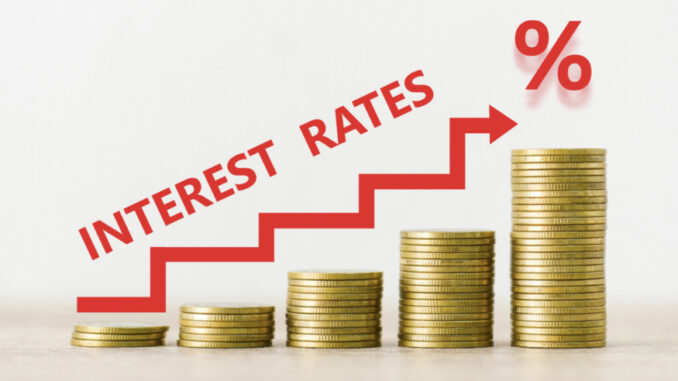
Interest rates influence nearly every financial decision we make, from borrowing and saving to investing and long-term planning. When rates rise or fall, the effects ripple across households, businesses, and global markets. In recent years, changing interest rates have forced individuals to rethink their financial priorities, adjust spending habits, and revisit long-term goals. Understanding how rates shape personal finance trends is now essential for smarter money management in an uncertain economic environment.
Understanding Interest Rates and Why They Matter
At their core, interest rates represent the cost of borrowing money or the reward for saving it. Central banks, such as the U.S. Federal Reserve, adjust benchmark rates to control inflation and stabilize the economy.
When interest rates are low, borrowing becomes cheaper, encouraging spending and investment. When rates rise, loans become more expensive, slowing economic activity. According to Investopedia, these shifts directly influence consumer behavior.
For households, this means everything from mortgage payments to credit card balances can change quickly. Understanding rate cycles helps individuals anticipate financial pressure and plan ahead. For more insights into financial planning fundamentals, explore resources on this personal finance guide.
How Rising Interest Rates Affect Household Budgets
When interest rates increase, monthly expenses often rise alongside them. Adjustable-rate mortgages, credit cards, and personal loans become more expensive almost immediately.
According to data from Bankrate, higher interest rates can add hundreds of dollars per month to household debt payments. This forces many families to reevaluate discretionary spending and prioritize essentials.
For example, a homeowner with a variable-rate mortgage may see monthly payments increase significantly after a rate hike. Similarly, carrying credit card balances becomes more costly as interest compounds faster.
As a result, many households shift toward tighter budgeting, increased savings buffers, and accelerated debt repayment. These changes are central to modern personal finance trends shaped by rate volatility.
The Impact of Interest Rates on Saving Behavior
Higher interest rates don’t only increase costs—they also create new opportunities for savers. Savings accounts, money market funds, and certificates of deposit (CDs) typically offer better returns when rates rise.
According to NerdWallet, competitive high-yield savings accounts often follow central bank rate increases.
This encourages individuals to keep more cash in savings rather than spending or investing aggressively. For risk-averse savers, higher rates can finally provide meaningful returns without market exposure.
As a result, disciplined saving is once again becoming a key part of effective money management, especially during periods of economic uncertainty.
Interest Rates and the Cost of Debt
Debt becomes more expensive as interest rates climb. Mortgages, auto loans, student loans, and personal credit all reflect these changes.
According to Consumer Financial Protection Bureau, higher borrowing costs disproportionately affect consumers with variable-rate debt.
This has led to a renewed focus on debt reduction strategies. Many individuals prioritize paying off high-interest balances before investing or making large purchases.
In contrast, during low-rate environments, debt often feels manageable, encouraging leverage. Today’s higher-rate environment is reversing that mindset and reshaping personal finance trends toward caution.
How Interest Rates Influence Homeownership Decisions
Housing markets are especially sensitive to interest rate movements. Mortgage rates directly determine affordability.
According to Freddie Mac, even a one-percentage-point increase in mortgage rates can significantly reduce purchasing power.
As rates rise, some buyers delay purchases or opt for smaller homes. Others explore adjustable-rate mortgages or increase down payments to offset costs.
For existing homeowners, refinancing becomes less attractive. This shifts attention toward accelerated principal payments and home equity management—key aspects of modern money management.
Interest Rates and Investment Strategy Shifts
Changing interest rates also reshape investment decisions. When rates rise, bonds and fixed-income products become more attractive, while growth stocks may face pressure.
According to analysis from Morningstar, higher rates often lead investors to rebalance portfolios toward income-producing assets.
Conversely, low-rate environments typically push investors toward riskier assets in search of yield. This dynamic explains why rate cycles strongly influence asset allocation.
Understanding these shifts helps individuals align investments with broader personal finance trends driven by monetary policy.
The Psychological Impact of Interest Rate Changes
Beyond numbers, interest rates influence financial psychology. Rising rates often increase financial anxiety and encourage conservative behavior.
Research cited by American Psychological Association shows that financial stress affects spending confidence and long-term planning.
Consumers may delay large purchases, avoid debt, and increase emergency savings. While cautious, these behaviors can improve long-term financial resilience.
Recognizing the emotional side of financial decision-making is an important part of effective money management.
How Interest Rates Shape Personal Finance Trends
Modern personal finance trends increasingly reflect interest rate realities. Budgeting apps, debt-tracking tools, and financial education platforms are gaining popularity.
According to Statista, usage of digital finance tools has surged during periods of rate volatility.
Consumers are also becoming more rate-aware, monitoring central bank announcements and economic indicators.
For practical insights into adapting to these trends, visit this money management resource.
Interest Rates and Retirement Planning
Interest rate changes significantly affect retirement strategies. Higher rates improve yields on bonds and annuities but may reduce stock market growth.
According to Fidelity, retirees often adjust withdrawal strategies in response to rate shifts.
Those nearing retirement may prefer income stability, while younger savers focus on long-term growth despite short-term volatility.
Understanding rate sensitivity helps retirees and pre-retirees protect income and preserve capital.
Comparing High-Rate vs Low-Rate Financial Strategies
In low-rate environments, strategies often emphasize borrowing, investing, and leverage. In high-rate environments, priorities shift toward saving, debt reduction, and cash flow control.
According to International Monetary Fund, these shifts are consistent across global economies.
Adapting strategy based on rate conditions improves financial resilience. There is no single “best” approach—only informed adjustments.
Rate-aware planning is now a core skill in modern money management.
Preparing for Future Interest Rate Changes
Interest rates are cyclical. While predicting exact movements is difficult, preparation is possible.
Experts from CNBC recommend building emergency funds, diversifying income streams, and maintaining flexible budgets.
Regularly reviewing loan terms, refinancing options, and investment allocations helps households stay adaptable.
Financial flexibility is the strongest defense against rate uncertainty.
Conclusion: Adapting Money Management to a Rate-Driven World
Changing interest rates are reshaping how people save, spend, borrow, and invest. From household budgets to retirement planning, rate movements influence nearly every financial decision.
By understanding how rates drive personal finance trends, individuals can adopt smarter money management strategies. Awareness, flexibility, and proactive planning are key to thriving in a rate-driven financial landscape.
Leave a Reply